
PCB assembly cost is rarely a mystery of factory margins — it is mostly the product of decisions made months earlier, in the design. This article breaks down where the money in a PCBA quotation actually goes, which design choices move the number most, how prototype pricing differs from mass production, which "cost savings" cost more than they save, and what to include in an RFQ to get an accurate quotation quickly.
Paul Zhang, Director — Production, Engineering and Digitalization

Where the money goes: the cost blocks in a PCBA quotation
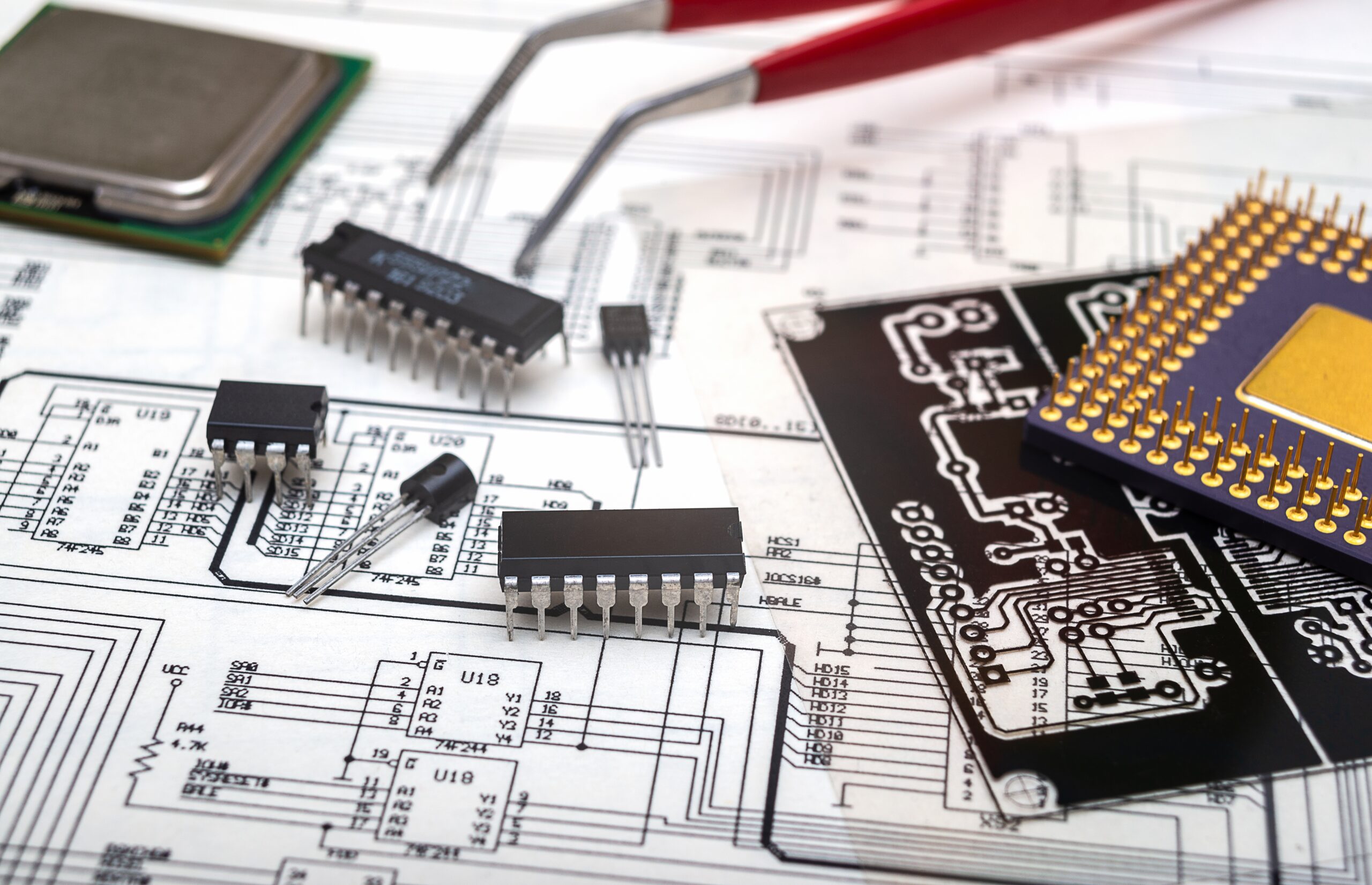
In Aurightec’s quotation practice, the split is consistent: the BOM typically accounts for 60–80% of the total quotation, and assembly labour for 20–40%, depending on the product complexity. Highly complex projects tend toward the lower end of the labour share; simpler products toward the higher end.
NRE — non-recurring engineering — is generally listed as a separate line item rather than hidden in the unit price. Only where a customer has special requirements is NRE amortized into the product quotation, typically over a one- to two-year period.
What this means for a buyer is simple: most of the price is in the components, not in the assembly. Negotiating the labour line works on the smaller part of the cost. The bigger savings sit in the BOM — and the BOM is largely fixed by design decisions long before purchasing begins.
Want this broken down for your product?
Request a quotation
The design decisions that move unit cost most
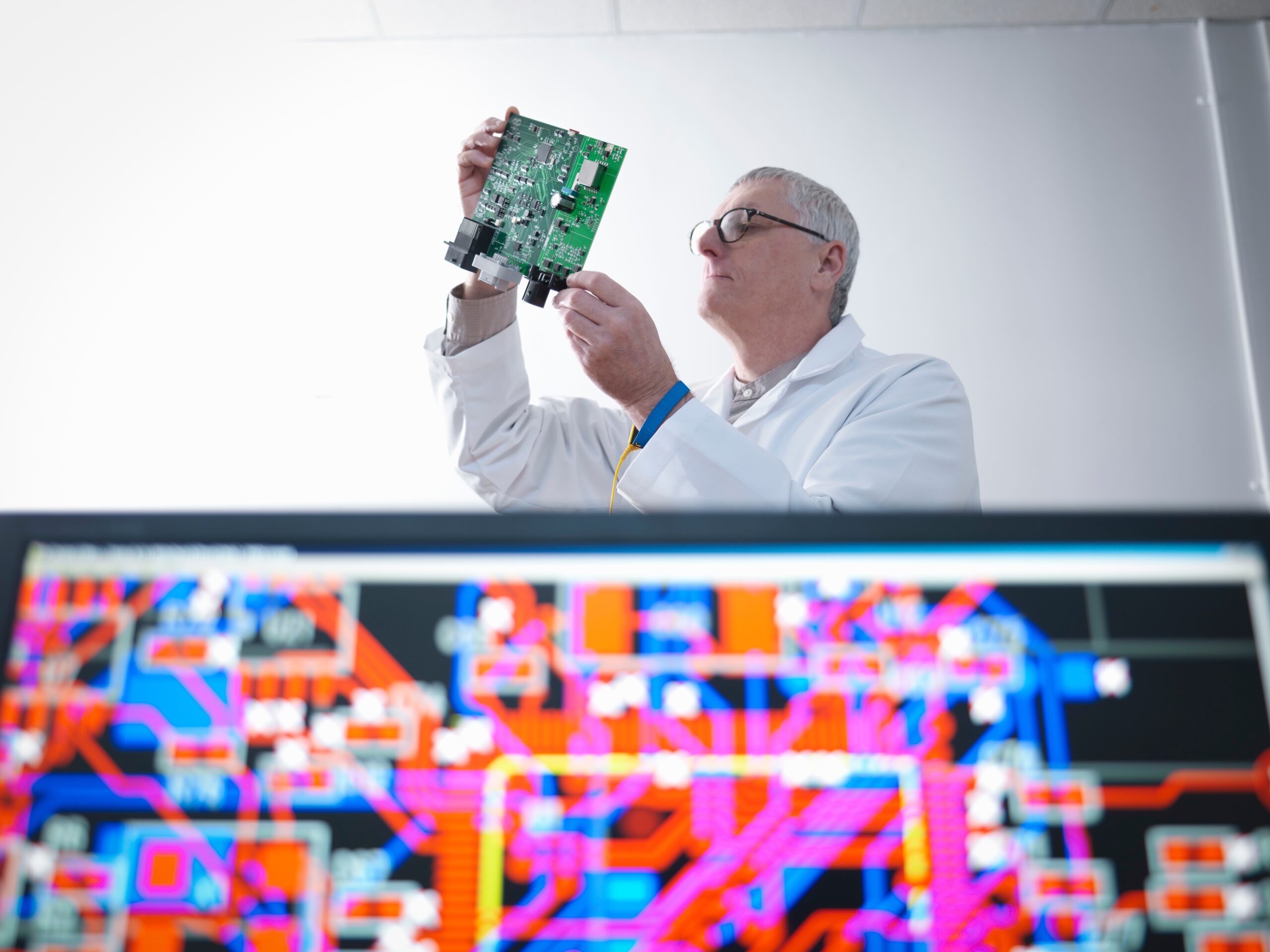
The main PCBA cost drivers are board size, component count, component layout — single-sided SMT, double-sided SMT, or a mix of SMT and through-hole — testability, and overall assembly complexity. Each additional process pass a design forces onto the line is paid for on every unit, forever.
The corresponding levers are straightforward: reduce part count, simplify the assembly process, optimize material and process selection, and use standardization and modular design wherever possible. Conversely, poor manufacturability increases cost by introducing extra operations or additional process steps.
Before and after: a thermal relief change that removed 100% touch-up
Before the DFM change, no thermal relief was provided for through-hole capacitors and relay components. To meet through-hole barrel-fill criteria, every board required manual touch-up after selective wave soldering — a 100% rework operation built into the process.
After the DFM change, the PCB design was optimized with thermal relief added, and the selective wave soldering parameters were improved. Validation confirmed the barrel-fill criteria were met, the 100% touch-up step was removed from the process, and the unit cost came down with it.
Prototype, pilot series, mass production: why the price per unit changes
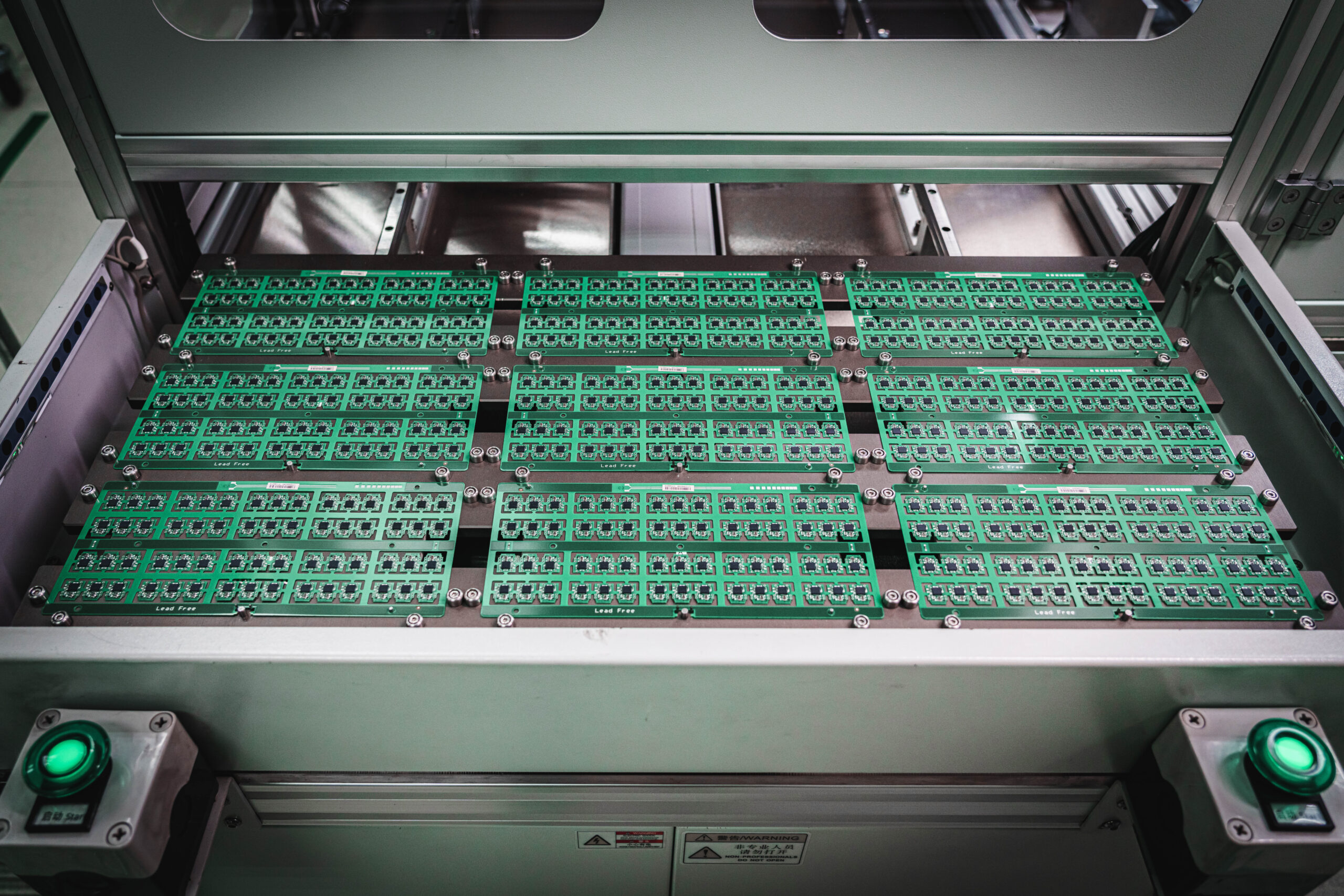
Production volume directly changes the cost structure. Mass production benefits from better material pricing, fewer line changeovers, and faster problem identification — all of which improve yield. Prototype and pilot runs carry the opposite: higher inefficiency and line setup cost, which is reflected in the quotation. Prototype material procurement can also cost more because of MOQ requirements and spot purchasing.
When volume is high enough, automated assembly lines become the right answer, and unit cost in mass production falls accordingly. A prototype price is therefore not a preview of the production price — and should not be used to budget a production program.
Three false economies that cost more than they save
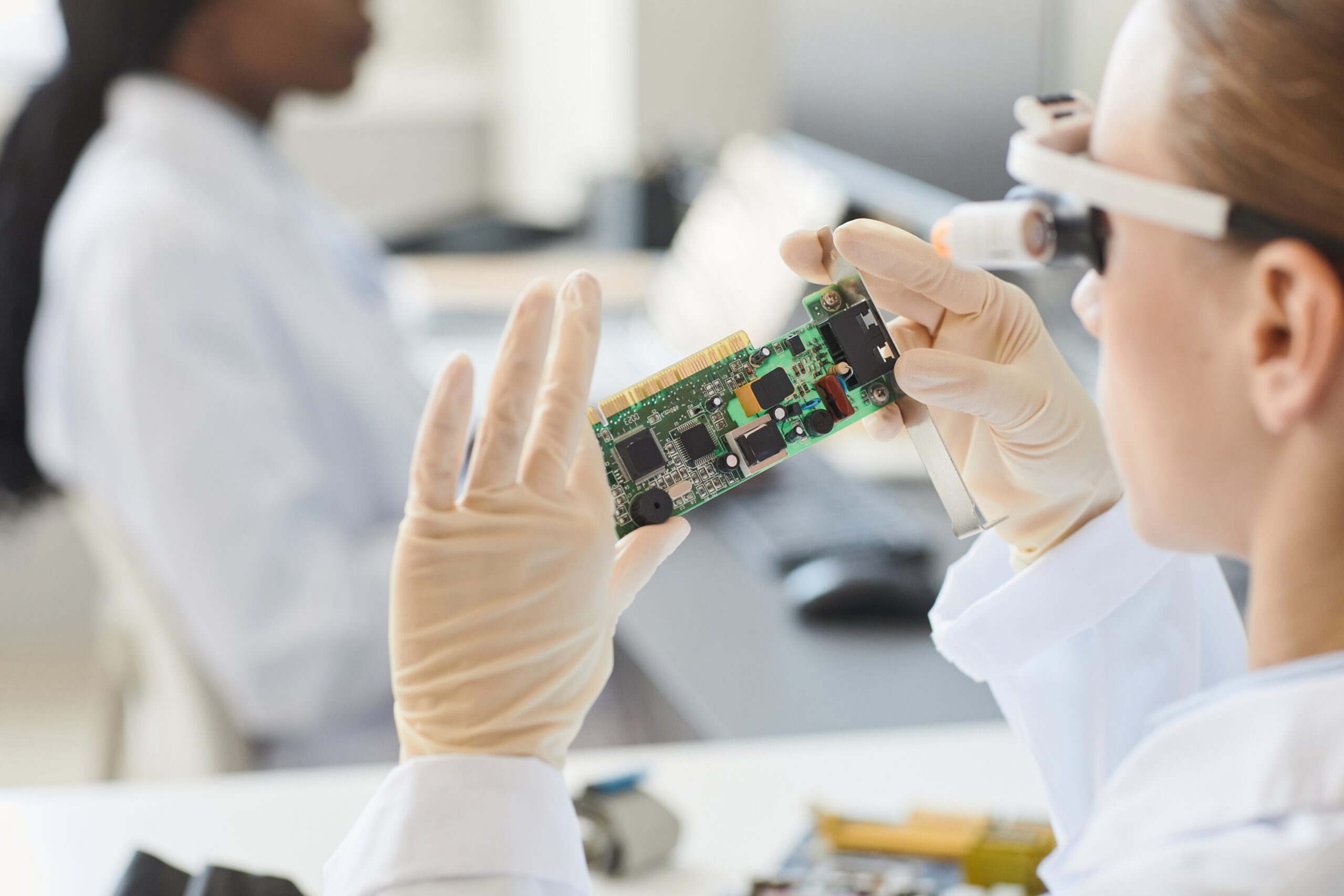
- Low-cost brands, obsolete components, or unstable alternative parts. The BOM looks cheaper. The risks are unstable supply, production disruptions and frequent line changeovers, which increase SMT programming and debugging cost, reduce yield, and raise the risk of customer returns — often exceeding the original saving.
- Manual assembly instead of automated through-hole insertion or soldering. Hand soldering can look cheaper than an automated or wave soldering process, but in practice it delivers lower efficiency, lower yield and higher rework cost.
- Skipping DFM and panelization optimization. Skipping the DFM analysis at the new-product stage increases long-term risk. Undetected design issues cause quality problems during prototyping, delay delivery, and force repeated prototype builds — several times the cost of the review that was skipped.

RFQ checklist: what to send for an accurate, fast quotation
Quotation accuracy and quotation speed are both functions of the information provided. To quote a PCB assembly project properly, an EMS partner needs:
- Complete BOM and AVL
- PCB Gerber files and coordinate (XY) files
- Process and quality requirements
- Testing requirements and specifications
- Project information: target volume, schedule and any special requirements
Target volume is enough to calculate a quotation — batch size does not need to be defined at RFQ stage. It is determined later during technical evaluation, and Aurightec can propose efficient batch sizes to suit your logistics scenario.
The more complete the package, the more accurate the quotation — and the shorter the quotation lead time.
Frequently Asked Questions
How much does PCB assembly cost?
There is no universal unit price — cost depends on board size, component count, layout (single-sided, double-sided, or mixed SMT and through-hole), testability and volume. As a structural guide, in Aurightec’s quotations the BOM accounts for 60–80% of the total and assembly labour for 20–40%, with NRE quoted separately.
What is NRE in PCB assembly?
Non-recurring engineering: the one-off costs of preparing a product for production, such as programs, fixtures, tooling and test development. Aurightec generally quotes NRE as a separate line item; where a customer requires it, NRE can be amortized into the unit price over one to two years.
Why is prototype PCB assembly more expensive per unit than mass production?
Prototype and pilot runs carry line setup cost and lower efficiency, and material procurement is more expensive because of minimum order quantities and spot purchasing. Mass production gains better material pricing, fewer changeovers and higher yield.
What do I need to send for a PCB assembly quotation?
A complete BOM and AVL, PCB Gerber and coordinate files, process and quality requirements, testing requirements and specifications, and project information including target volume and schedule. Batch size is not required at this stage — it is agreed later during technical evaluation.
Send us your BOM and Gerbers and we will show you where the cost sits.
Request a quotation